 by Eshaa G · 2026-10-26T11:31:58.402Z · 10 min read
A Season By Season Guide
by Eshaa G · 2026-10-26T11:31:58.402Z · 10 min read
The best time to visit Japan depends on what you want to see, because each season gives the country a completely different look. Spring (March to May): Cherry blossoms, with peak bloom in Tokyo, Kyoto and Osaka from late March to early April Summer (June to August): Festival season, hot and humid, with a rainy season from early June to mid-July Autumn (September to November): Red maples and the best weather of the year, with Kyoto's colours at their peak in the second half of November Winter (December to February): Powder snow, hot spring baths (onsen) and the clearest views of Mount Fuji, with the quietest stretch from mid-January to mid-February
There's a certain kind of traveller who goes to Japan once and spends the rest of their life planning when to go back. Not because they ran out of things to see, but because Japan is quite literally a different country depending on when you land. Spring gives you cherry blossoms and soft pink skies. Summer throws you into fireworks and festival fever. Autumn wraps everything in amber and rust. Winter strips it back to a snowy stillness that feels almost sacred. So the question isn't only where to go in Japan. It's when .
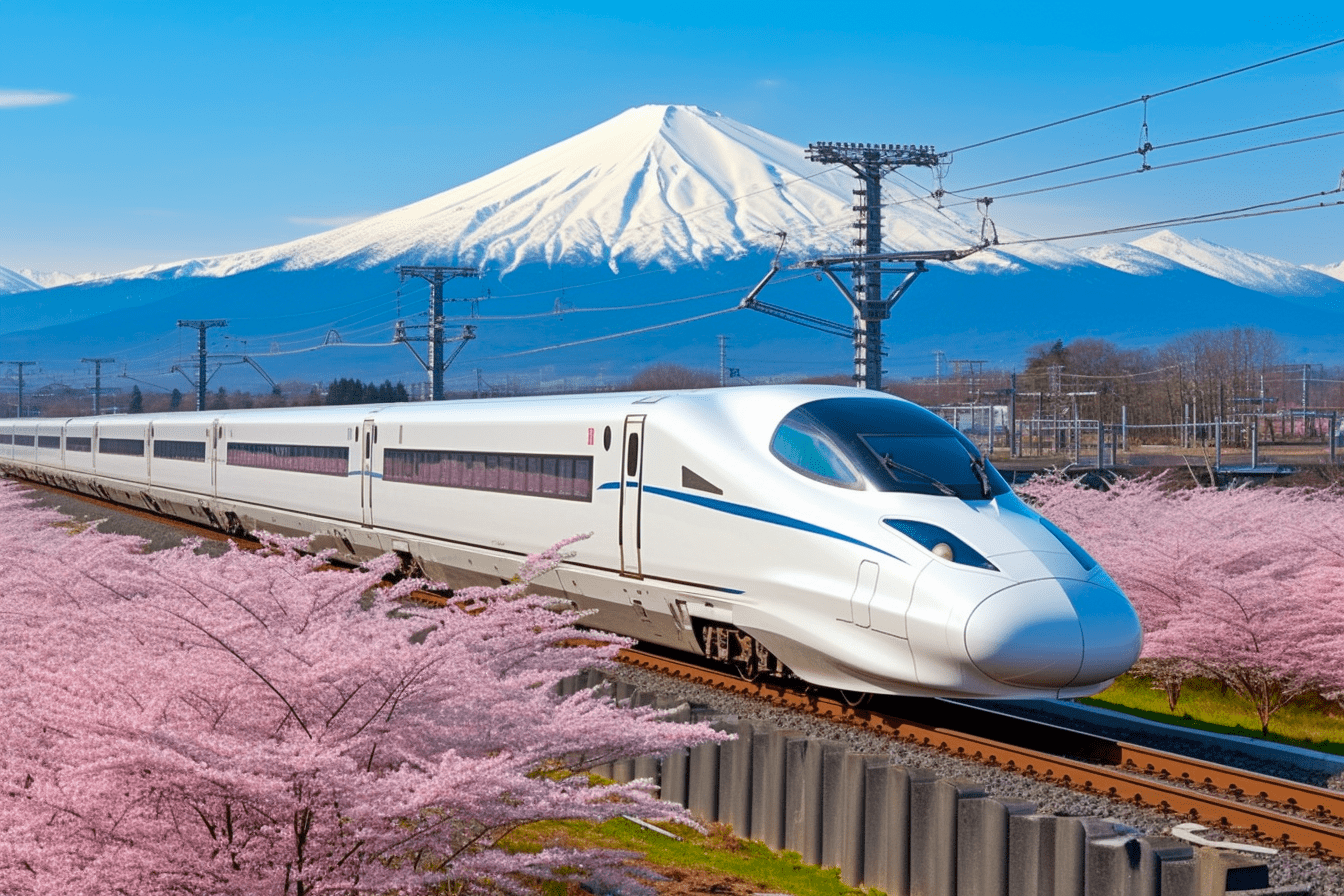
You already know about the cherry blossoms. You've seen the photos, maybe saved a few in a "someday" folder. Seeing sakura in person is one of the rare cases where the real thing outruns the hype. Bloom moves south to north. Tokyo, Kyoto and Osaka usually reach full bloom between late March and early April, and full bloom lasts only about five to seven days at each spot. Parks fill with families, couples and total strangers sharing food under clouds of pink. The Japanese call this hanami , flower viewing, and it is less a tourist activity than a national love language.
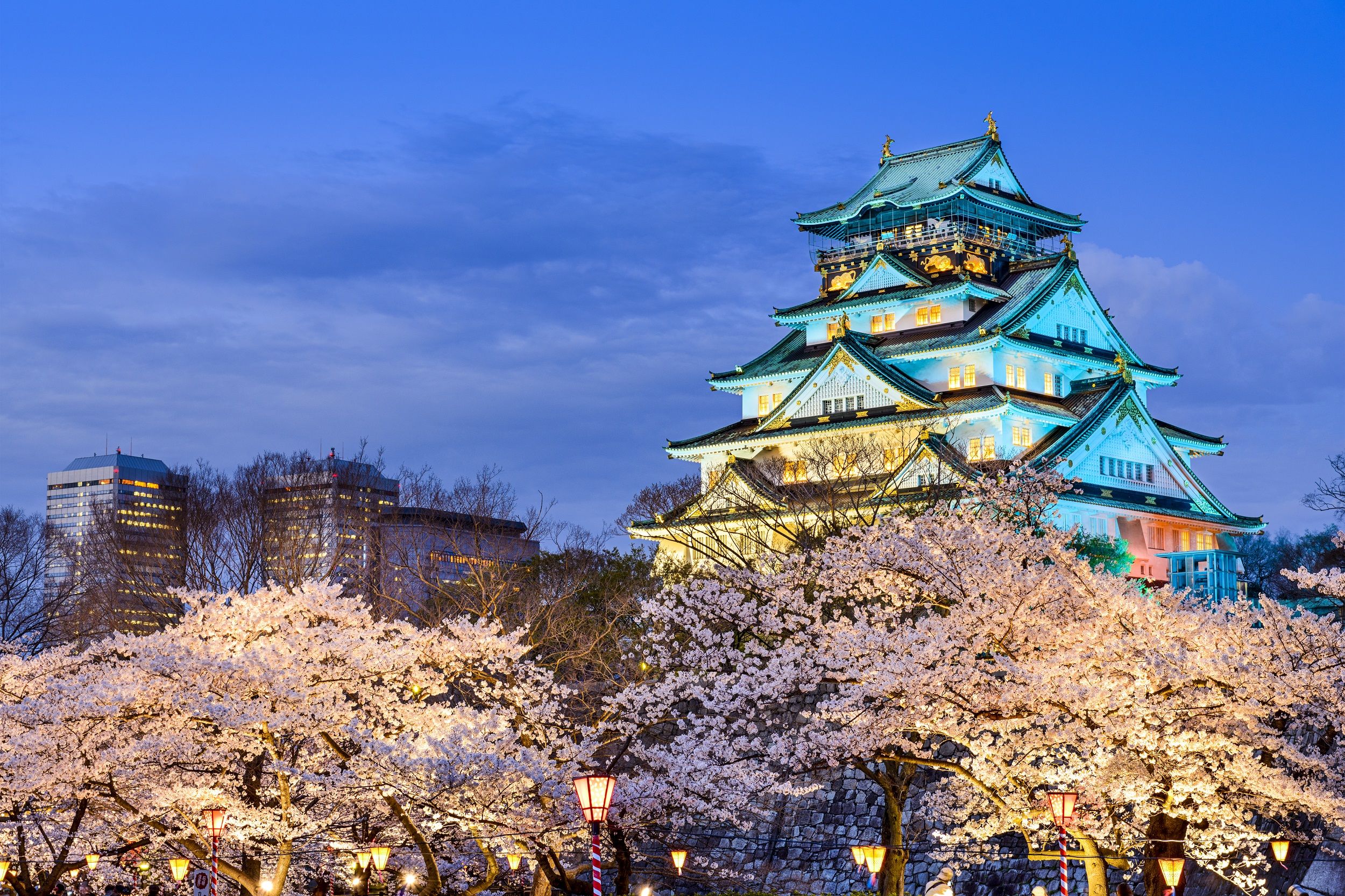
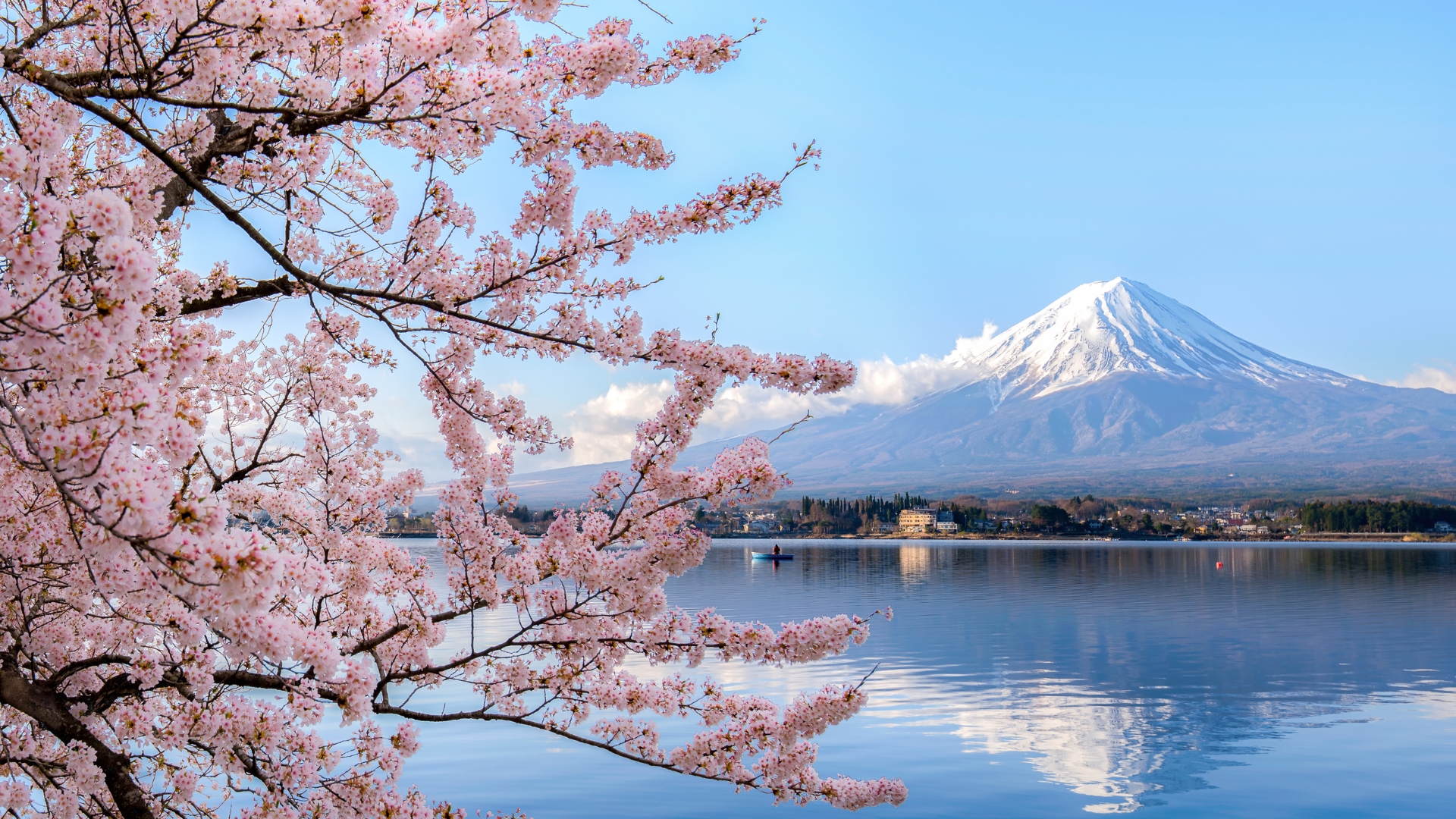
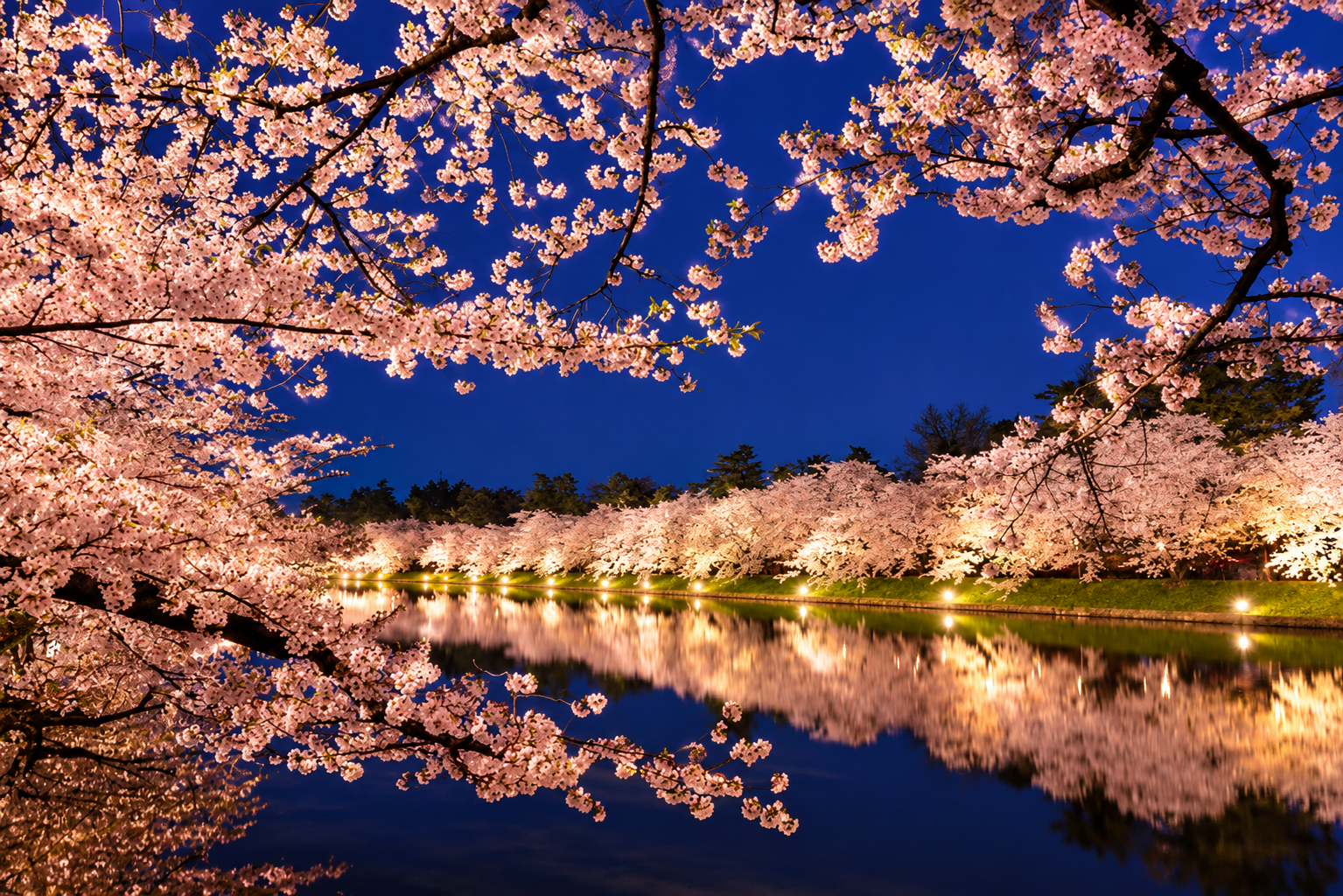
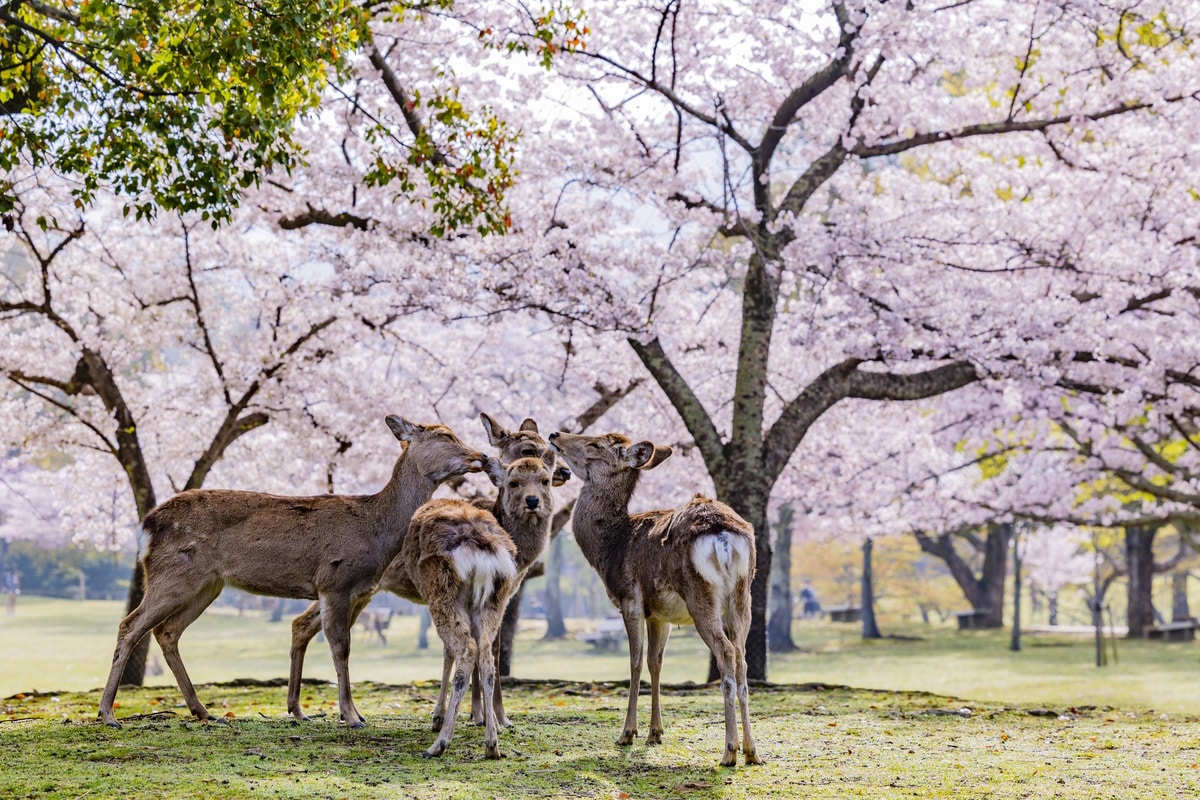
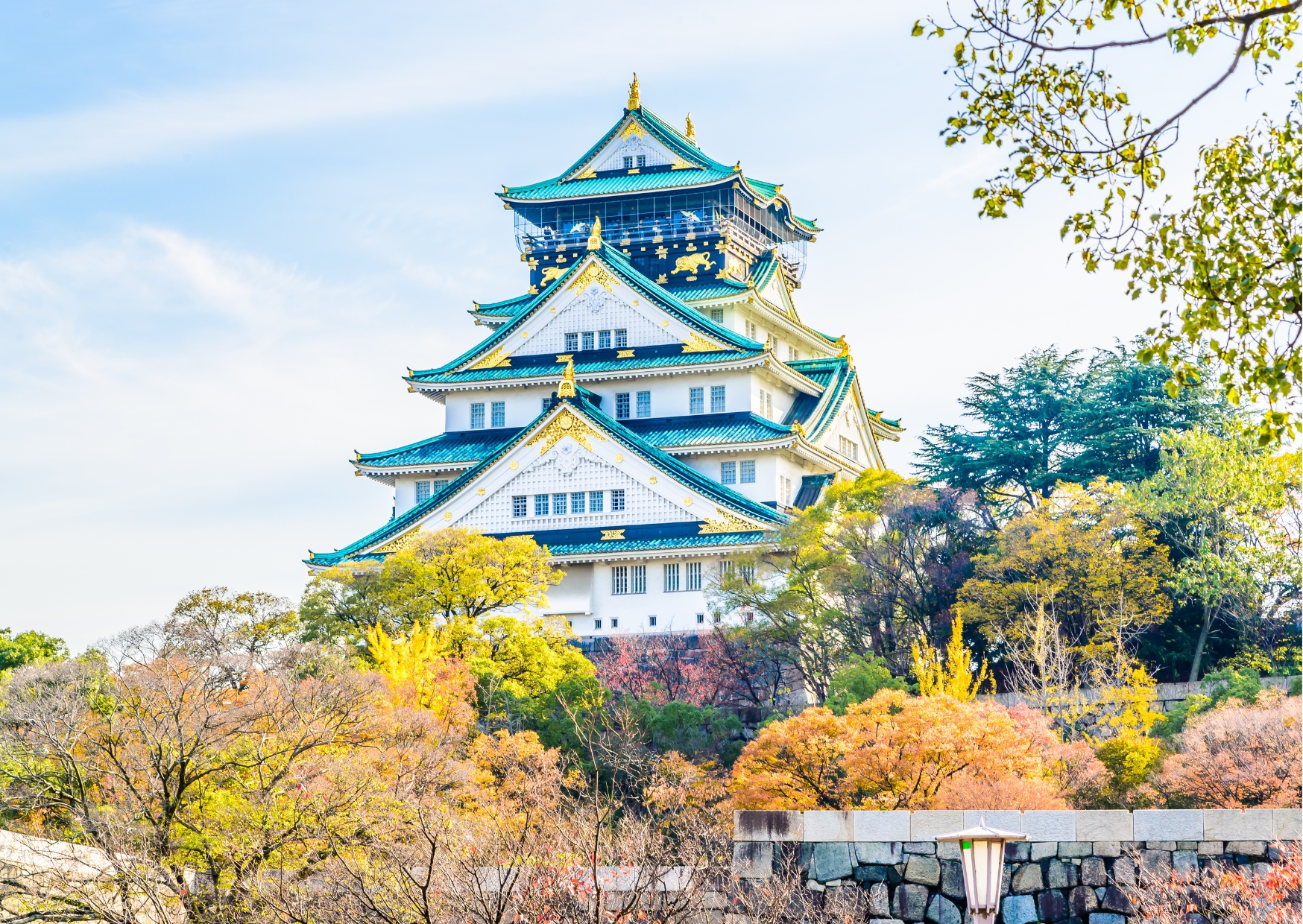
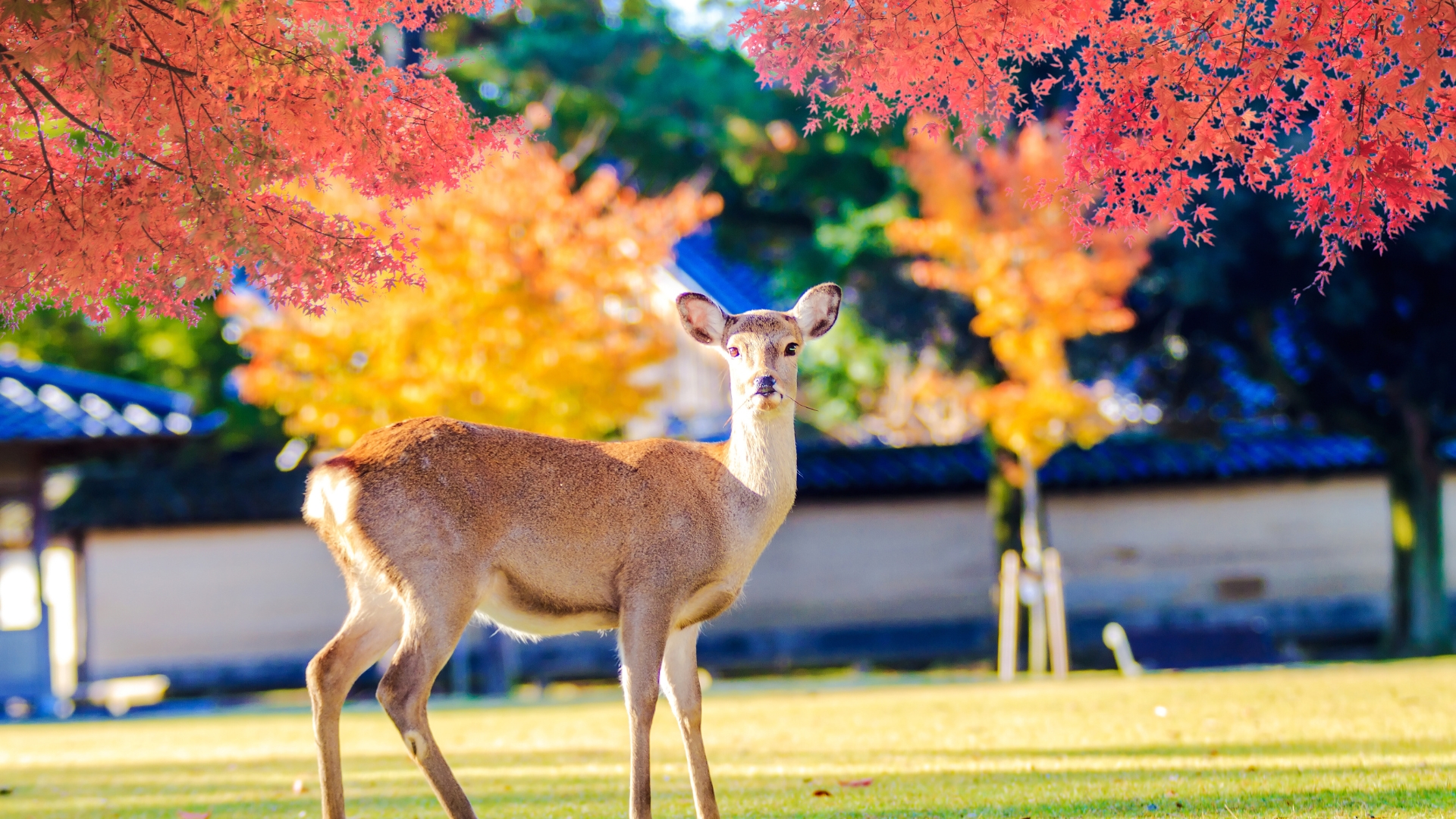
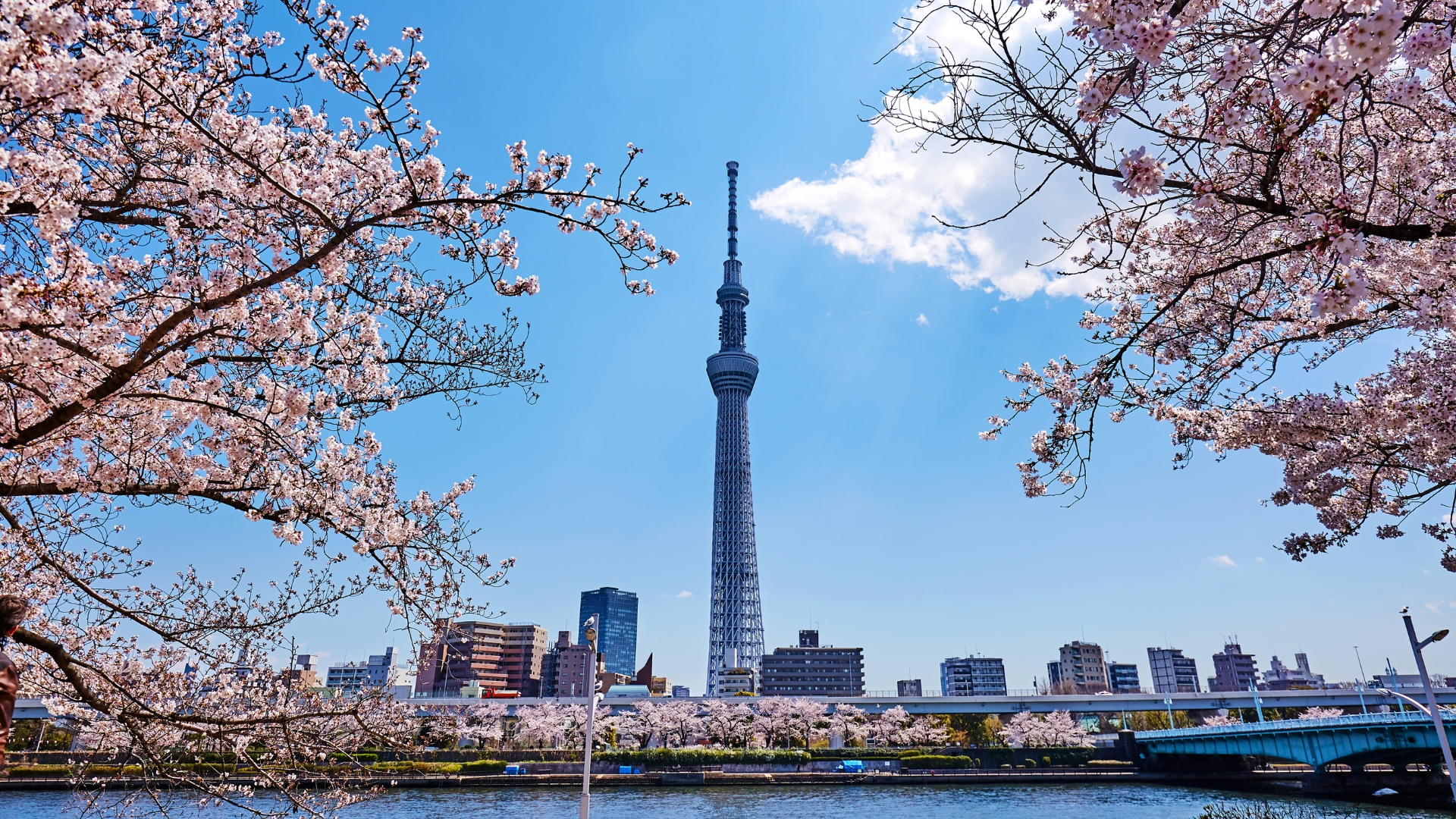
Where to Go in Japan for Cherry Blossoms Tokyo for Shinjuku Gyoen, where early and late blooming varieties stretch the season by a week or two either side, and Chidorigafuchi, where you can row a boat along the old Edo Castle moat under the trees Kyoto for temple gardens in bloom at Maruyama Park, the Philosopher's Path and Kinkaku-ji Osaka for the 3,000-odd trees at Osaka Castle Park, and the Japan Mint, whose garden opens to the public for about a week a year Nara for Nara Park, where the deer roam free under trees in full pink bloom and will follow you anywhere for a biscuit Takayama in Gifu, where the Edo-period streets of Sanmachi Suji and the Miyagawa riverbank colour up around 10 to 20 April Hirosaki Castle in Aomori, where fallen petals turn the moat pink Fuji Five Lakes for Mount Fuji and blossom frames everyone wants Voyaah Insider Tip: If you're chasing Hokkaido's bloom, watch the calendar closely. Golden Week runs 29 April to 5 May, when the whole country travels at once and rooms in Sapporo go early. Shift your dates a few days either side, and you get the same blossoms with a fraction of the crowd The dates are the hard part, so our Japan cherry blossom itinerary is built around the bloom forecast.
Summer is hot. Tokyo's August highs sit around 31°C, humidity makes it feel heavier, and the rainy season runs from early June to mid-July across most of the country. July and August are school holidays, so the obvious places are full. Come anyway, because this is when Japan celebrates. Japan's Biggest Summer Festivals Tenjin Matsuri, Osaka (24th and 25th July), with a river procession of around 100 boats and a fireworks display that runs about 90 minutes Gion Matsuri, Kyoto (all of July) dating back to 869 CE, with the great yamahoko float parades on 17 and 24 July Where to Escape the Heat Furano, Hokkaido for lavender fields that bloom from late June, peaking mid-July to early August Okinawa for turquoise water, white coral sand, champuru stir-fries and awamori, the island's own distilled spirit Voyaah Insider Tip: If June is the only month you can travel, fly north and you'll skip the wettest weeks entirely. Elsewhere, keep mornings for outdoor sights and afternoons for museums and food halls, because most matsuri only come alive after dark anyway.
Ask people who return to Japan often which season they'd pick, and a surprising number say autumn. The weather does most of the arguing: cool, dry and clear, day after day. Koyo , the autumn foliage, turns parks, temple grounds and whole hillsides red, orange and gold. In Kyoto, the colour peaks in the second half of November and holds into early December. There's a phrase for the other half of the season too. Shokuyoku no aki , the appetite of autumn, is when rice, vegetables, fruit and seafood all hit their best, and the calendar fills with harvest festivals, food fairs and fruit picking.
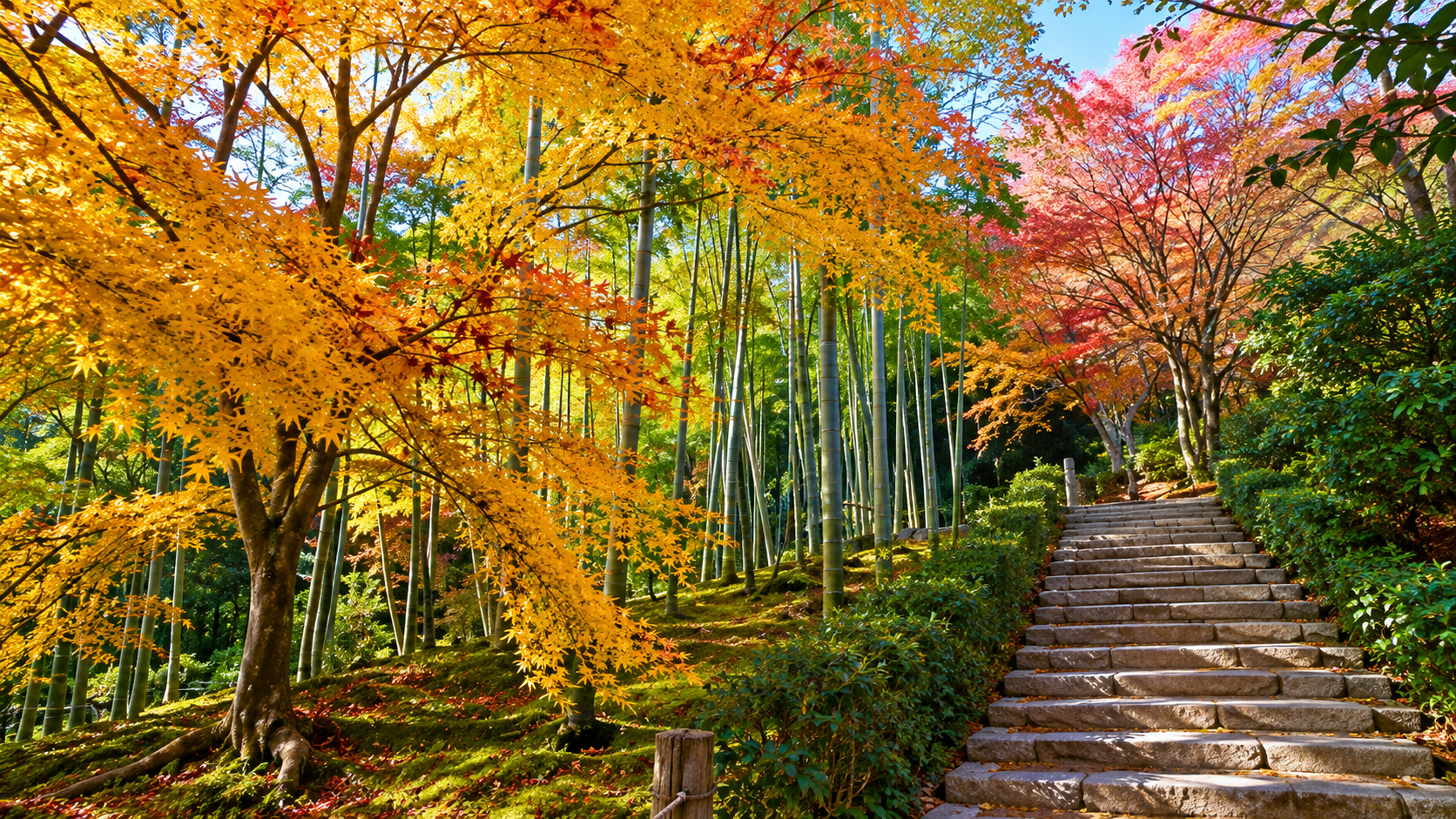
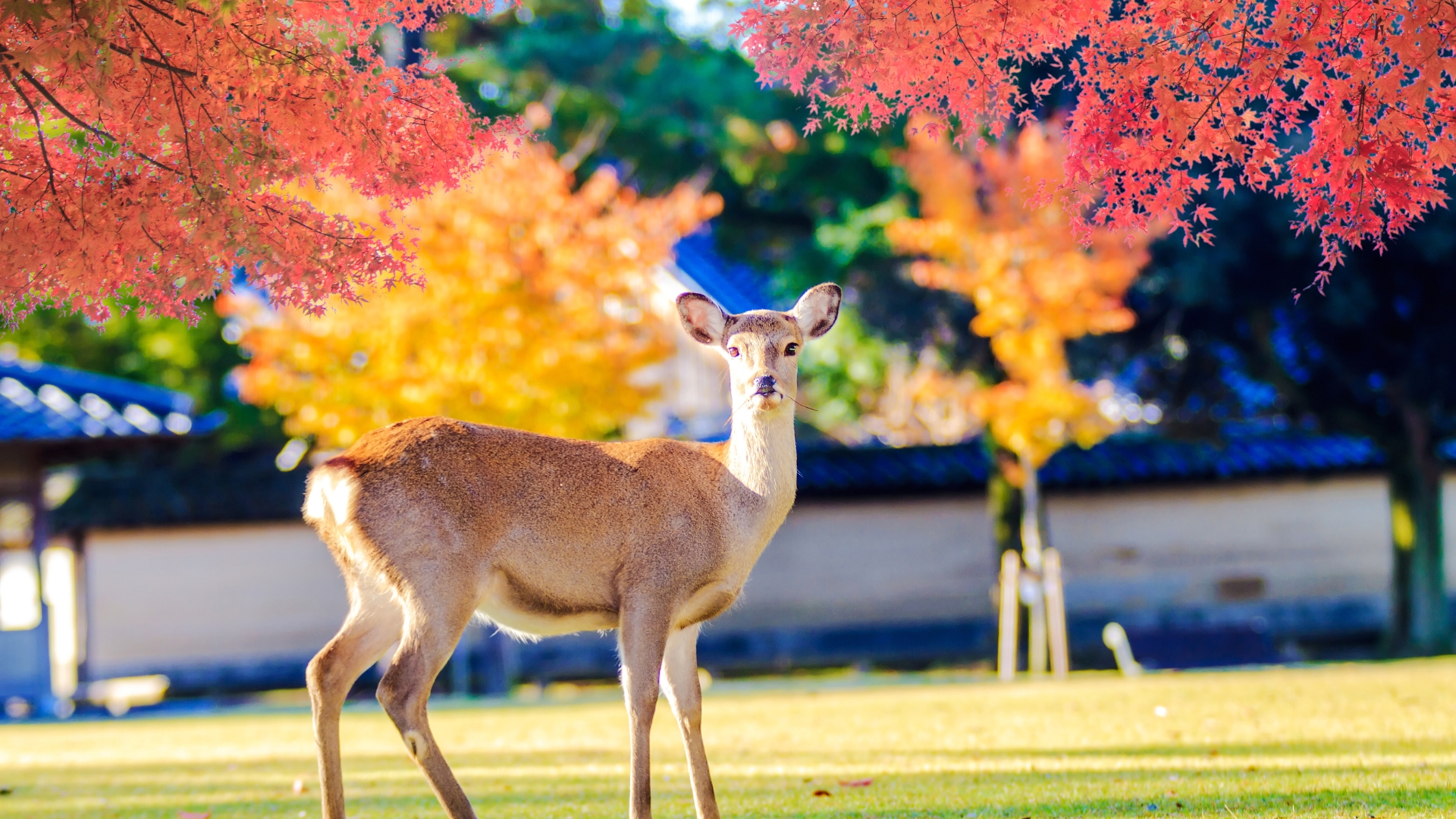
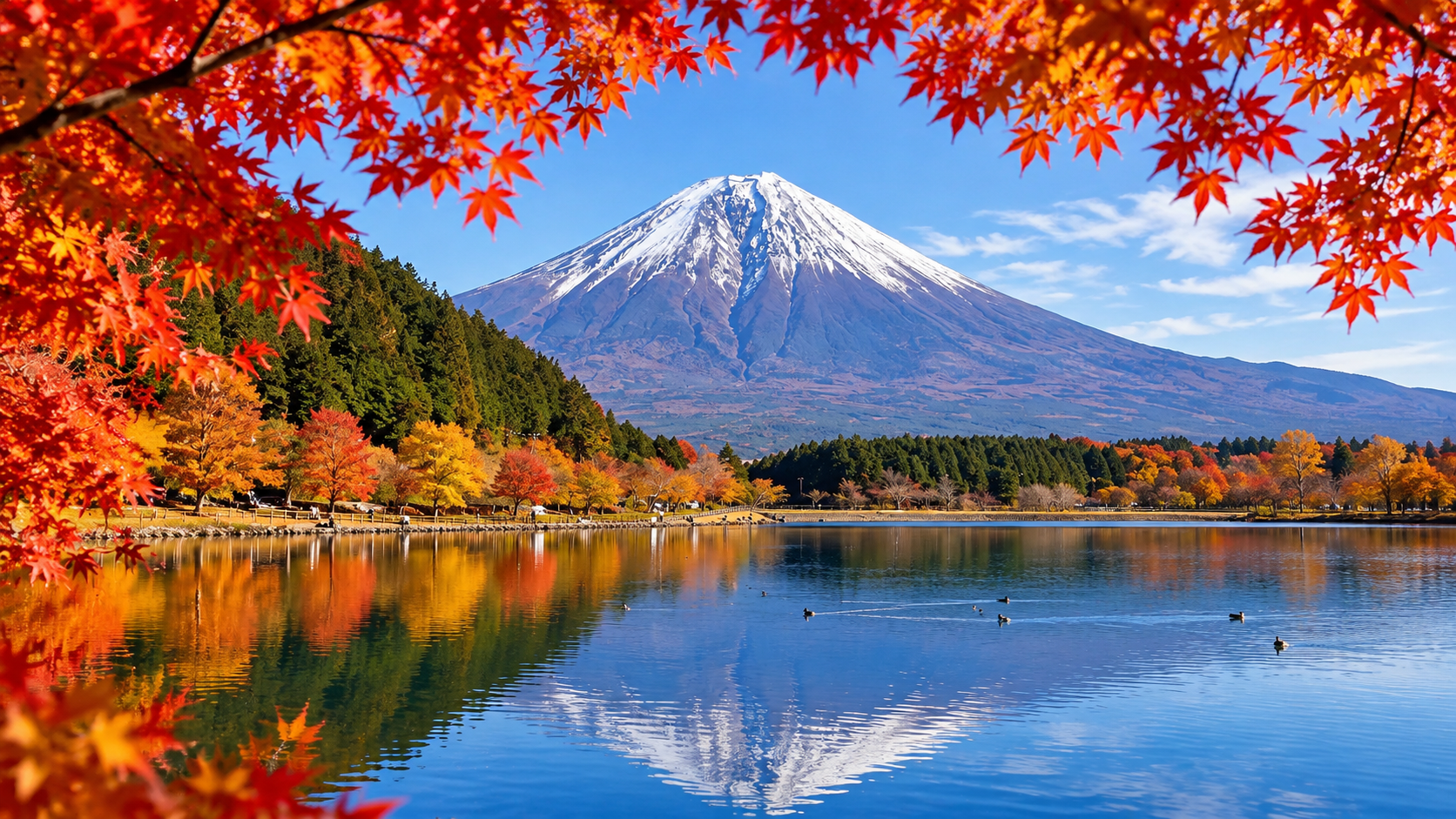
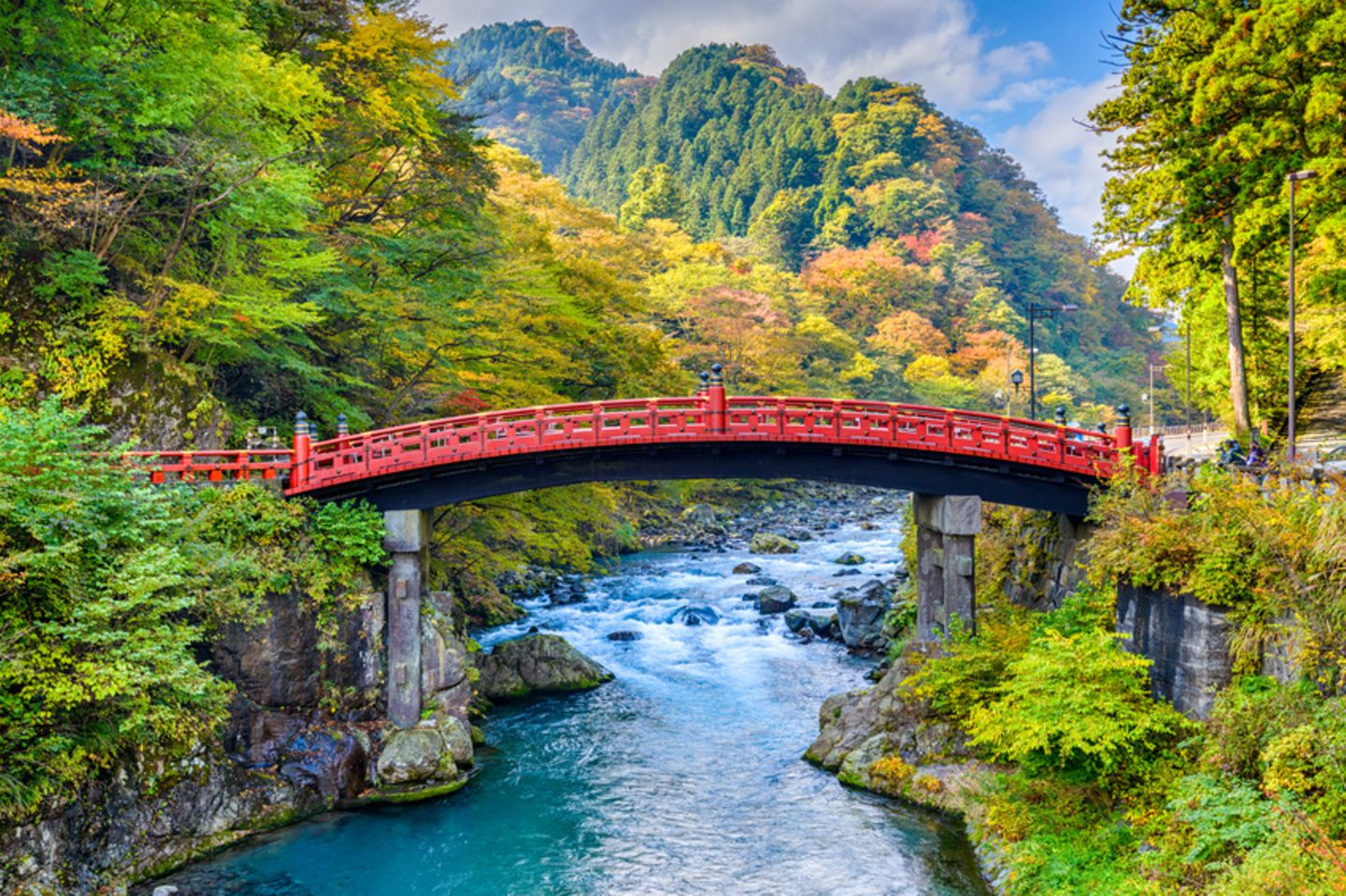
Where to Go in Japan for Autumn Leaves Arashiyama, Kyoto , where the maples along the Oi River turn late November into early December Nikko in Tochigi, with ornate Edo-period temples set inside forests of crimson maple Kanazawa , home to Kenrokuen, one of Japan's Three Great Gardens Tokyo for the ginkgo avenue at Meiji Jingu Gaien, which turns solid gold from late November into December Osaka for Minoo Park, under half an hour from Umeda, where a 45-minute walk through maples ends at a waterfall and the shops sell maple leaves fried in batter Nara for Ukimido, the hexagonal hall out on Sagiike Pond, where the deer, the hall and the leaves all land in one frame Hiroshima for Miyajima's Momijidani Park, around 700 maples at their best mid to late November, with the ropeway up Mount Misen behind it Voyaah Insider Tip: Kyoto's colour arrives in waves, not all at once. The northern mountain areas of Kurama, Kibune, Ohara and Takao turn earlier than the central temples, so a mid-November trip should start north of the city and work its way in. Save Arashiyama for a weekday morning. Our Japan autumn itinerary work the same way, planned around the weeks the leaves actually turn red.
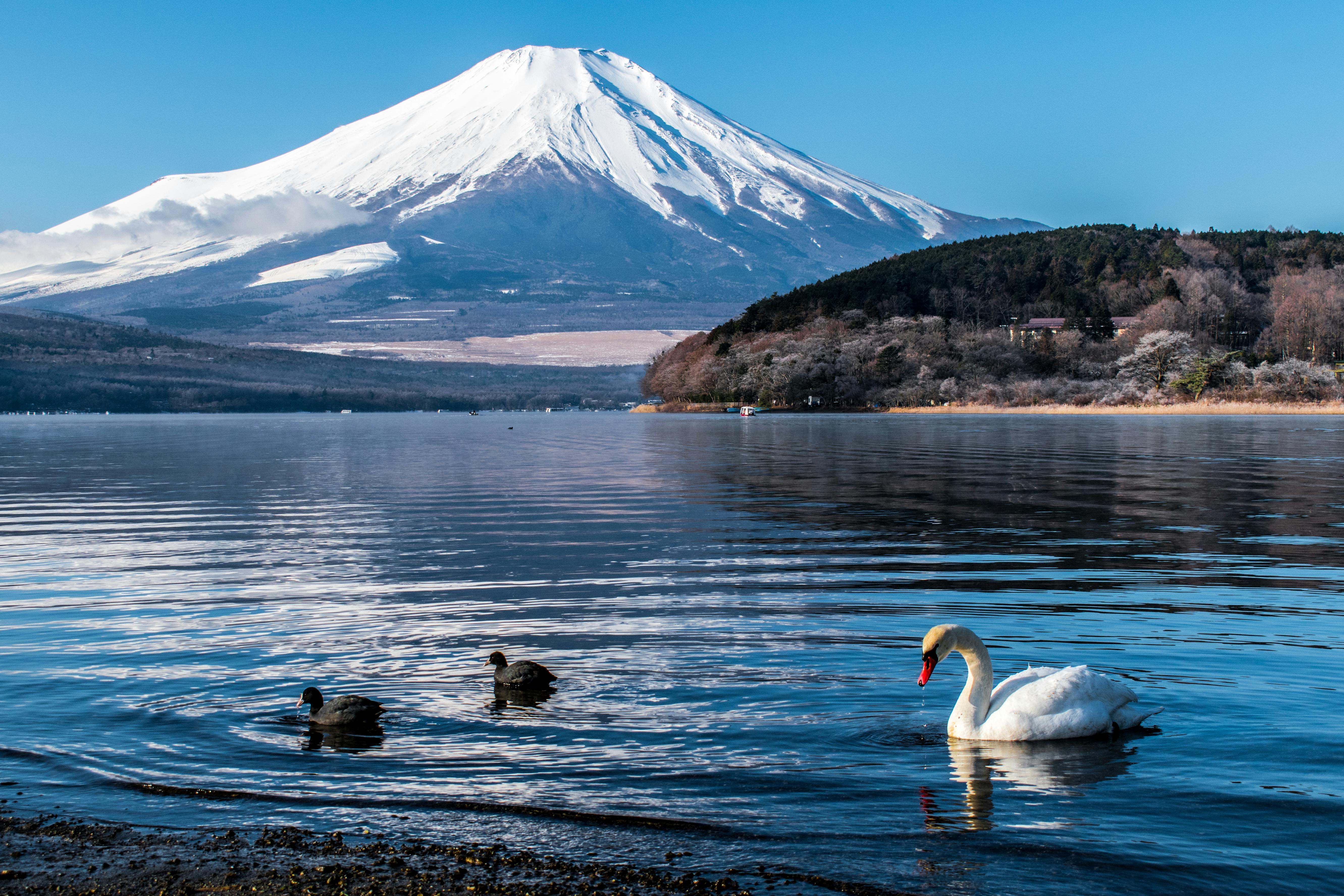
Here's the take most travel veterans will back: winter is one of the best times to be in Japan, not despite the cold, but because of it. Tokyo's winter days are cold and dry, hovering around 10°C. That dry air is why Mount Fuji shows itself far more often in winter than at any other time of year, especially on early mornings around Hakone and Lake Ashi. The Sapporo Snow Festival runs for seven days each February. Odori Park holds the giant snow sculptures, some more than 25 metres wide and 15 metres high, lit up until 10 PM. A stop south in Susukino, about a hundred ice carvings glow until 11 PM. Then there's Jigokudani in Nagano, where wild macaques sit in a hot spring pool looking more relaxed than any primate has a right to. They live there all year, but winter is when they soak.
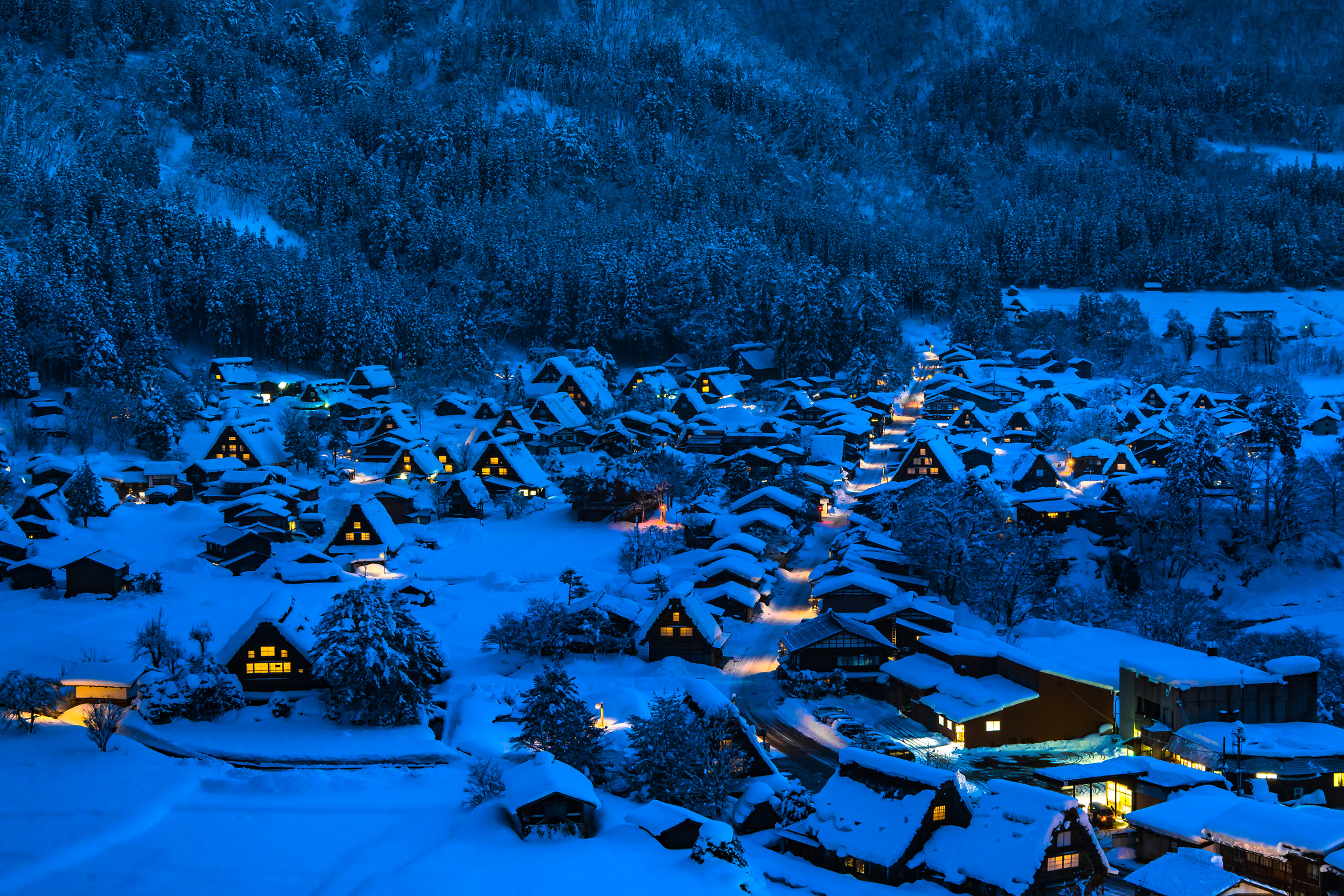
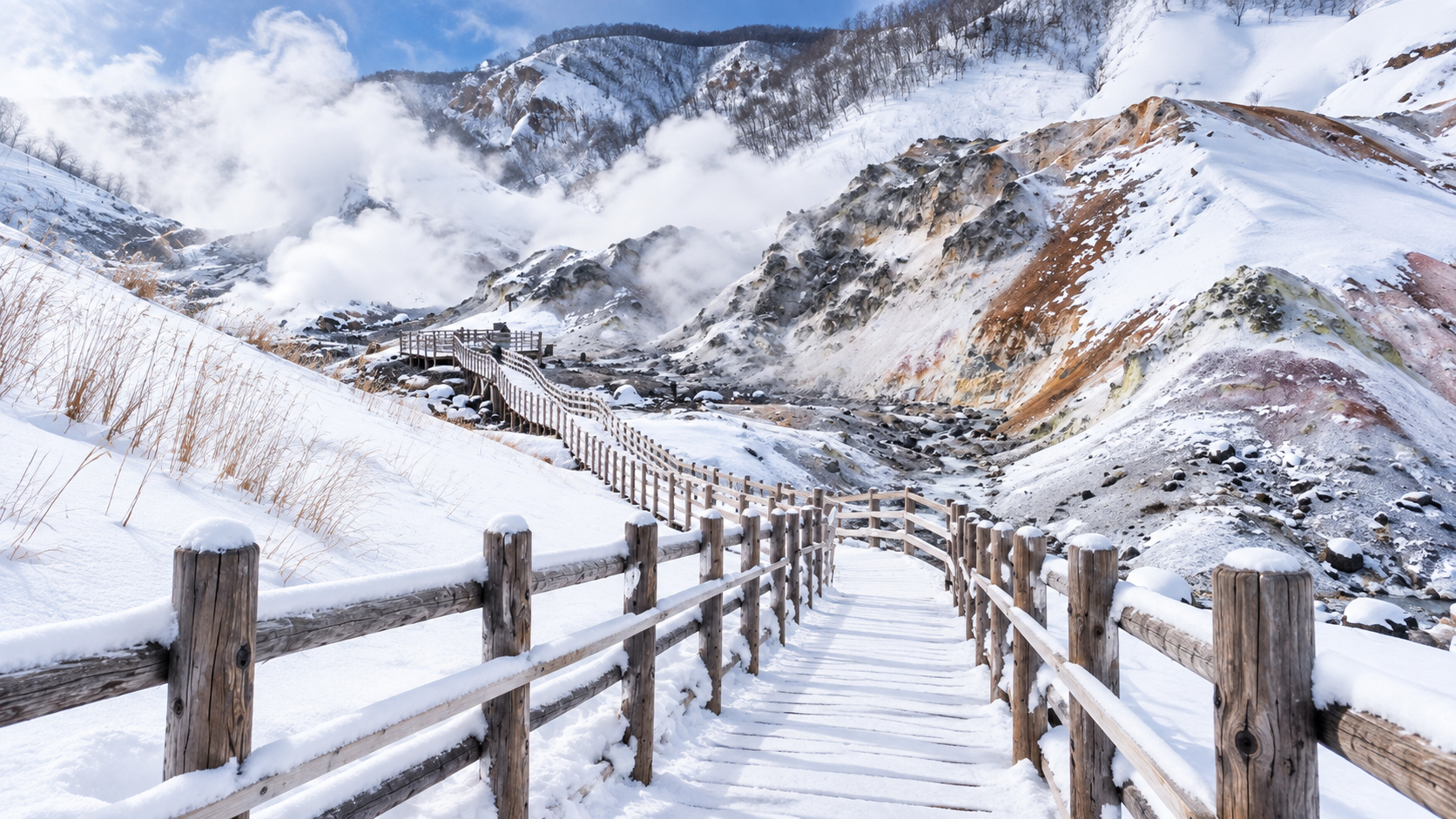
Where to Go in Japan in Winter Niseko, Hokkaido, for the powder that draws skiers from across Asia and Australia Shirakawa-go in Gifu, a UNESCO World Heritage village where gassho-zukuri farmhouses wear roofs built steep enough to shed the region's heavy snow Hakone for an open-air onsen while it snows Kyoto and Tokyo in January, at their quietest Voyaah Insider Tip: Mid-January to mid-February is the quietest stretch of Japan's year, and hotel rates outside the ski resorts drop with it. Use it. Fushimi Inari is open around the clock and free to enter, so walk the torii tunnel at sunrise and you'll have it almost to yourself.
Every season in Japan needs a different itinerary, different bookings and a different lead time. It also rewards precise timing more than almost any other destination, and the good dates are taken early. Your Voyaah's Holiday Manager will handle the parts that decide whether a holiday works: the season, the route, the bookings that need to happen months ahead, and the food.
1. Do Indian citizens need a visa for Japan? Yes. Indian nationals need a tourist visa, and Japan's eVisa system has been available in India since April 2024 through the visa application centres. Requirements change, so check the Embassy of Japan in India for the current process before you book. 2. Are there direct flights from India to Japan? Yes. Delhi connects non-stop to Tokyo Narita, and Mumbai connects non-stop to Tokyo Haneda. From other Indian cities, you'll connect through a hub in Southeast or East Asia. Schedules shift, so confirm at the time of booking. 3. What is the cheapest time to visit Japan? Mid-January to mid-February, when international arrivals are at their lowest and hotel rates outside ski areas fall with them. Mid-May to early June and early December are the other quiet windows. 4. When exactly do the cherry blossoms bloom in Japan? Tokyo, Kyoto and Osaka usually reach full bloom between late March and early April, Hirosaki around late April, and Sapporo around the start of May. Full bloom lasts roughly 5 to 7 days, and forecasts are published each year from January. 5. Is one week enough for Japan? One week covers Tokyo and Kyoto comfortably, with a day trip to Hakone or Nara. To add Hokkaido or Okinawa, you'll want 12 to 14 days, because domestic flights and travel days eat into a short trip. 6. What should I pack for Japan in winter? Thermals, a windproof outer layer and shoes with grip. Snow country like Hokkaido and Shirakawa-go needs proper boots, while Tokyo and Kyoto sit around 10°C in the day and feel colder after dark.
1 Lakh+ Happy Voyagers Create your personalised Japan itinerary in just a few clicks! Plan My Holiday